Improving your
skills
(imprúvin llor skíls)
Part A
(part éi)
Some bad food for babies
(sam
bad fud fóo
béibis)
Read
the following text and do the exercise below
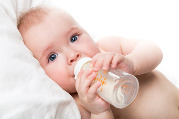
*(móust párents uóri ebáut prováidin da própa nutríshon fóo déer chíldren.)
However, they often don’t know that many of the foods they give to their babies could be dangerous to their health.
(jáueva, déi óften dóunt nóu dat méni ov da fuds déi guiv to dée béibis culd bi dénllerus tu dée jelz.)
Especially in the first two years of their lives.
(espéshali in da féest tu llíars ov dée láivs.)
In some cases, this is because some types of food may be allergic in many children.
(in sam kéises, di is bicós sam táips ov fud méi bi aléellik in méni chíldren.)
In fact, some doctors believe that allergies don’t occur naturally in people, but are created when they are babies and they receive certain foods they are not ready to be processed.
(in fact, sam dóctas bilív dat aléelliks dóunt ocáa náchurali in pípol, bat áa criéitid uén déi áa béibis an déi risív céeten fuds déi áa not rédi tu bi procéd.)
Eggs, especially white, are avoided at this age.
(egs, espéshali uáit, áa avoided at dis éich.)
Possibly, the most dangerous allergen for infants are shellfish and crustaceans.
(pósibli, da móust dénllerus aléellen fóo ínfants áa shélfish an crastéishans.)
Honey might be a potential cause of botulism in infants under 1.
(jáni máit bi a poténshal cos ov bótulism in ínfants ánda uán.)
Digestive problems could be caused by acidity of lemons, oranges or even tomatoes.
(dilléstiv próblems cud bi cost bái asíditi ov lemons, órenllis óo even toméitous.)
Nuts could be a choking hazard for children until they have teeth and know how to chew well.
(nats cud bi a chóukin jázad fóo chíldren untíl déi jav tiz an nóu jáu tu chúu uél.)
So remember, try not only to see the nutrition facts, but also be careful with these foods.
(sóu rimémba, trái not ónli tu si da nutríshon facts, bat óulso bi kérful uíz diis fuds.)
*La pronunciación castellanizada de este texto está en inglés británico dentro de la contextualización de la lección.